

Strategic Importance of Road Transport via Iran
Road transport via Iran holds significant strategic importance due to the country’s unique geographic location, serving as a bridge between Asia, Europe, and the Middle East. Positioned at the crossroads of east-west and north-south routes, Iran enables faster and more cost-effective transit of goods. This strategic location is not only crucial for domestic trade but also plays a key role in connecting neighboring countries and major global powers such as Russia and China.
Geographic Position and Role in International Corridors
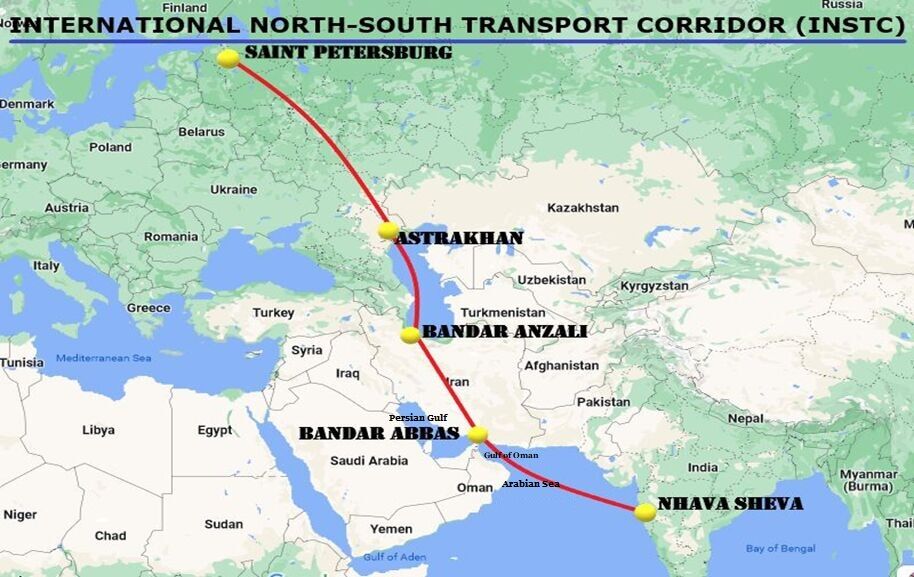
Iran, as a transit hub, boasts an extensive road network that forms part of major international corridors, including the International North-South Transport Corridor (INSTC). This corridor links Russia to India and the Persian Gulf via Iran, potentially reducing transportation time (artarail). Additionally, Iran’s east-west routes facilitate access to Central Asia and Europe, which is vital for bypassing sanctions and reducing dependence on Western routes. Recent collaborations with Russia highlight investments in road and rail infrastructure to strengthen these corridors, boosting non-oil trade.
Economic and Logistical Advantages
Economically, road transport via Iran optimizes logistics costs and creates employment opportunities. In recent years, over 3.5 million tons of non-oil goods have been transited through Iran, demonstrating its high potential for exports and imports. Best Iranian freight forwarders, equipped with modern road fleets, provide reliable transit services, making Iran an attractive option for international businesses. Streamlined transit regulations, including simplified customs procedures, further accelerate the movement of goods.
In summary, road transport via Iran is not just a logistical option but a strategic tool for geopolitical balance and economic growth. With continued infrastructure development, it has the potential to enhance Iran’s position in global trade networks.
Key Routes and Infrastructure for Road Transport via Iran
Iran's road transport infrastructure plays a pivotal role in facilitating regional and international trade, leveraging its strategic position as a bridge between Asia, Europe, and the Middle East. With over 223,000 kilometers of roads, including approximately 2,000 kilometers of expressways and highways (etir.org), Iran boasts one of the most extensive networks in the region, connecting major cities like Tehran, Mashhad, and Bandar Abbas to international borders.
Several key routes dominate road transport via Iran, serving as vital arteries for cross-border logistics:
North-South Corridor (INSTC)
This multi-modal route, heavily reliant on road segments, links Russia and Northern Europe to India and the Persian Gulf through Iran. Key road sections include the Tehran-Bandar Abbas highway, which facilitates faster transit compared to sea routes around the Arabian Peninsula, potentially reducing travel time.
East-West Routes
These connect Central Asia to Europe via Iran, including the Mashhad-Serakhs route to Turkmenistan and onward to the Caspian region. The Taftan-Mirjaveh border crossing with Pakistan is another critical link for trade with South Asia, supporting exports like vehicles and goods to neighboring countries. Additionally, routes through Turkey, such as the Bazargan border, enable access to European markets, making Iran a competitive alternative to other corridors like the Trans-Caspian route.
Internal and Border Highways
Domestically, the Tehran-Qom-Isfahan-Shiraz highway serves as a backbone for southern transit, while northern routes like the Chalus Road connect to Azerbaijan and Armenia. Border crossings such as Astara (with Azerbaijan) and Jolfa (with Armenia) are equipped for heavy truck traffic, enhancing connectivity for landlocked Central Asian nations.

Infrastructure Developments and Features
Iran's road infrastructure includes modern features like toll roads, rest areas, and intelligent transportation systems to manage traffic flow. Major ports like Bandar Abbas integrate seamlessly with road networks, allowing for combined sea-road transit.
In summary, Iran's key routes and infrastructure for road transport via Iran provide a cost-effective and strategic option for global logistics
Land Transportation Services in Iran
Land transportation services in Iran encompass a range of offerings provided by domestic and international logistics companies. These services cover both road transport and combinations with rail, tailored for export, import, transit and domestic delivery. Here are the key components and features of land transportation services in Iran:
- Full Truckload (FTL) and Less-Than-Truckload (LTL)
Companies offer both FTL and LTL truck Transport services. For large shipments, a whole truck/trailer is allocated; for smaller consignments, goods are consolidated. - Heavy, Oversized and Specialized Cargo
There are specialized vehicles (flatbeds, low-bed, multi-axle, heavy haulage) for transporting large or unusually shaped goods, machinery, project cargo etc. Transporters also manage “out-of-gauge” loads. - Temperature-Controlled (Reefer) and Perishable Goods Transport
Refrigerated trucks are used for perishables (food, pharma etc.). Some companies handle reloading from ports or containers into reefers for onward transport to CIS or neighboring states. - Car Carriers and Vehicle Transport
Some services specifically transport vehicles (cars, buses etc.) via specialized carriers. - Transit Services
Iran plays a transit role: many land transport companies arrange road transport to/from Iran and neighboring countries (CIS, Afghanistan, Turkey, etc.), facilitating export/import and border crossings. Services often include handling customs formalities at entry/exit points. - Door-to-Door and Multimodal Solutions
Some providers offer door-to-door deliveries (pick up goods at origin, deliver to destination) including multimodal (road + rail + sea/air) options.
Many land transport companies also provide warehousing (open/covered), cold storage, loading/unloading, packing, customs clearance and administrative services. This helps integrate the full supply chain.- Full Truckload (FTL) and Less-Than-Truckload (LTL)
Regulatory Requirements for Road Transport via Iran
The regulatory framework governing road transport via Iran ensures efficient and secure transit while aligning with international standards. Below is a detailed overview of the key requirements and compliance measures for facilitating road transport through Iran.
Law of Transit of Foreign Goods
The Transit of Foreign Goods through the Territory of the Islamic Republic of Iran establishes the legal framework for the transit of foreign goods. Under this law, goods entering Iran’s borders for transit to a third country or storage in designated zones must enter and exit through specified border points. These goods are exempt from customs duties and taxes, as they are not considered permanent imports or exports. However, operational and administrative customs fees must be paid.
Permits, Guarantees, and Licensing
International transport companies operating in Iran must obtain licenses from the Ministry of Roads and Urban Development. Guarantees are refunded if the goods exit Iran before the transit permit expires.
Customs Procedures and Digitalization (TIR/eTIR)
Iran is a signatory to the TIR Convention and has recently adopted the eTIR system, enabling digitalization of customs processes and seamless data exchange between customs authorities. The use of a TIR Carnet or equivalent documentation, complete with necessary seals, allows goods to transit without repeated customs clearance at each border. These systems enhance efficiency and reduce delays in cross-border logistics.
Prohibited or Restricted Goods
Certain goods are prohibited or restricted from transiting through Iran due to security, religious, or regulatory reasons. The list of restricted goods is determined by Iran’s National Security Council or relevant governmental bodies.
Documentation and Administrative Formalities
Essential documentation for transit includes commercial invoices, packing lists, certificates of origin, bank guarantees or insurance policies, and transit declarations. All customs procedures must be conducted at designated customs zones, terminals, or official border facilities to ensure compliance with regulatory standards.
This comprehensive regulatory framework ensures that road transport via Iran is secure, efficient, and aligned with international trade requirements, making it a reliable option for cross-continental logistics.
Key Advantages of Road Transport via Iran
Road transport via Iran offers significant logistical and economic benefits for regional and global trade:
- Strategic Location: Iran connects Asia, Europe, and the Middle East through major north–south and east–west corridors.
- Cost Efficiency: Lower transit fees and shorter routes make it one of the cheapest land shipping through Iran options.
- Flexibility: Extensive road networks allow access to ports, borders, and industrial zones.
- Reliable Transit Services: Modern fleets and experienced shipping companies in Iran ensure timely deliveries.
- Simplified Regulations: Streamlined customs and transit policies support faster cargo movement.
- Growing Connectivity: Expanding links with Russia, Central Asia, and the Persian Gulf enhance trade potential.
These strengths make road transport via Iran a competitive and strategic choice for international logistics.
Challenges and Risks of Road Transport via Iran
Although road transport via Iran plays a vital role in regional trade, it still faces several challenges:
- Sanctions and Political Issues: Restrictions affect financing, insurance, and foreign cooperation.
- Infrastructure Gaps: Some roads and border facilities need modernization to support higher traffic.
- Customs Delays: Complex regulations and slow border procedures increase transit time.
- Security Risks: Instability near eastern borders may endanger cargo safety.
- Cost Fluctuations: Inflation and exchange rate changes affect shipping prices.
- Rival Corridors: Competing routes like the Trans-Caspian corridor attract some transit flow away from Iran.
Addressing these barriers can make road transport via Iran more reliable and cost-effective for international trade.
Tips for Efficient Road Transit through Iran
To maximize the benefits of road transport via Iran, logistics companies and exporters should follow these key tips:
- Plan Routes Carefully: Choose the most direct and secure roads in Iran to minimize delays and fuel costs.
- Ensure Document Accuracy: Complete customs and transit papers in advance to avoid border issues.
- Work with Reliable Partners: Use trusted shipping companies in Iran with experience in international transit.
- Monitor Regulations: Stay updated on land shipping through Iran requirements and customs changes.
- Optimize Timing: Avoid peak border hours and holidays to reduce waiting times.
- Maintain Vehicle Standards: Ensure fleets meet safety and emission rules for smoother clearance.
Following these practices makes road transport via Iran faster, safer, and more cost-efficient.
For deeper insights, explore our articles “Cost-Effective Cargo Transit via Iran: Full Guide” and ”Overview of Freight Forwarding in Iran” — your go-to resources for mastering logistics across Iran’s strategic transport corridors.
Choosing Best Shipping Companies in Iran
Selecting the right partner is crucial for efficient road transport via Iran. A reliable shipping company ensures compliance, safety, and on-time delivery across domestic and international routes. When choosing among shipping companies in Iran, consider these key factors:
- Experience and Licensing: Work with certified carriers familiar with Iranian and international transit laws.
- Fleet Capability: Ensure they offer specialized land transportation services, including refrigerated trucks and heavy-duty trailers.
- Safety Standards: Check for compliance with cargo handling and insurance requirements.
- Customs Expertise: Companies with in-house clearance teams can simplify export and import procedures.
- Transparent Pricing: Compare land shipping through Iran price options to avoid hidden costs.
Among top operators, SASCO stands out for its reliability and range of services — from refrigerated transport and dangerous goods logistics to OOG (out-of-gauge) cargo handling and full customs clearance support. With strong regional experience and a modern fleet, SASCO offers complete solutions for efficient and secure road transport via Iran.