

The landscape of international trade is governed by a complex web of regulations, and in the case of the Islamic Republic of Iran, these rules are shaped by a unique blend of international standards and specific national economic policies. For businesses, investors, and logistics professionals, navigating Iran Customs Regulations is not merely a matter of logistics; it is a critical exercise in legal compliance and strategic financial planning.
In recent years, Iran has undergone a significant digital transformation in its customs infrastructure. The transition from manual processing to integrated electronic systems—such as the Electronic Patch Line (EPL) and the National Trade Single Window (NTSW)—has aimed to streamline trade while intensifying oversight. However, the dual challenges of currency management (central bank protocols) and evolving tariff structures mean that "clearing customs" in Iran requires a deep understanding of both the written Law of Customs Affairs and the practical nuances of its enforcement.
This comprehensive guide from SASCO provides an end-to-end analysis of the Iranian customs environment.
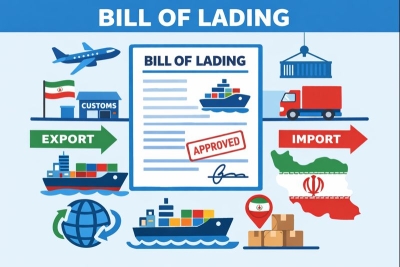
Navigating the complexities of global commerce requires a solid understanding of essential shipping documents. For businesses engaged in commerce with the Middle East, the bill of lading in Iran stands as the cornerstone of every transaction. Whether you are navigating the bustling ports of Bandar Abbas or coordinating transit via rail and road, understanding export documentation in Iran is vital for a smooth logistics experience. This guide provides a comprehensive look at the B/L, ensuring that both exporters in Iran and international importers can manage their shipments with confidence and legal security.
Navigating international shipping requires more than just logistical planning; it demands a strategic understanding of regional corridors. For businesses transiting cargo to Turkey through Iran, this route is more than a shortcut—it is a vital link connecting Asia to Europe. However, achieving a smooth operation requires mastering complex customs procedures, diverse multimodal options, and evolving regional regulations. With recent infrastructure investments, such as the new Marand–Cheshmeh Soraya rail link, the corridor is becoming more efficient than ever. This guide provides a comprehensive roadmap for navigating Iran’s transit landscape, offering practical tips on routes, compliance, and cost-optimization to ensure your cargo reaches the Turkish market securely and on time.
The year 2025 marked a definitive turning point in international trade and transportation. Rather than introducing entirely new concepts, Global Logistics Trends 2025 confirmed and reinforced structural shifts that had been forming over the past several years. The industry moved decisively away from simple cost-driven optimization toward a new paradigm: resilience, route diversification, and risk-aware planning across international supply chains.
Throughout the year, recurring disruptions, maritime capacity constraints, rising insurance exposure, and chronic schedule uncertainty challenged long-standing logistics assumptions. In response, global companies shifted their focus toward:
- Reassessing route selection to avoid volatile chokepoints.
- Reducing corridor dependency through strategic redundancy.
- Integrating land-based and hybrid transport solutions as mainstream alternatives.
Reviewing Global Logistics Trends 2025 is therefore less about forecasting the future and more about understanding how these solidified changes reshaped logistics decision-making by the end of the year.
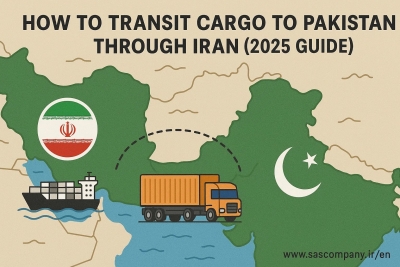
Transit cargo to Pakistan through Iran provides a land corridor that many shippers now rely on to reach South Asian markets without the detours of sea-only routes. The corridor links the Middle East, Central Asia, the Caucasus, and even parts of Europe to Pakistan’s key commercial hubs—Karachi, Gwadar, and Quetta—and significantly shortens the overall journey for time-sensitive cargo.
Iran’s integrated road and rail network, predictable customs framework, and the high-capacity Mirjaveh–Taftan border crossing give exporters a route with fewer routing uncertainties. Despite that, coordination is still a weak point for many companies: documentation gaps, mistimed border entry, or misunderstandings of local procedures can easily extend the transit.
This 2025 guide outlines the essential steps, updated requirements, and practical solutions you’ll need to manage the Iran–Pakistan route effectively—whether you handle operations yourself or work with forwarders already active on this corridor.
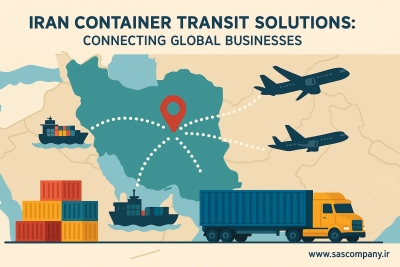
Iran is no longer just a destination market—it has become a strategic transit corridor linking Central Asia, the Caucasus, the Persian Gulf, and key international shipping lanes. With rising congestion on traditional routes and increasing logistics costs, many global businesses are now reconsidering their transit strategies. Container transit through Iran offers a cost-efficient, geographically optimal, and increasingly structured solution for international freight movement.
From East–West trade between China and Europe to North–South corridors connecting Russia, India, and the Middle East, Iran’s container transit infrastructure is playing a more visible role in global supply chains. Access to major ports such as Bandar Abbas and Chabahar, combined with expanding rail and road networks, allows shippers to move goods faster while avoiding some of the bottlenecks seen in conventional maritime routes.
However, Iran container transit is not a plug-and-play solution. It involves regulatory layers, customs procedures, sanctions-related constraints, and the critical need for reliable local partners. Without a clear operational model and professional coordination, the risks can quickly outweigh the benefits. This guide explores how Iran’s container transit solutions work, which routes are commercially viable, what documents and services are required, and how international businesses can use this corridor safely and efficiently.
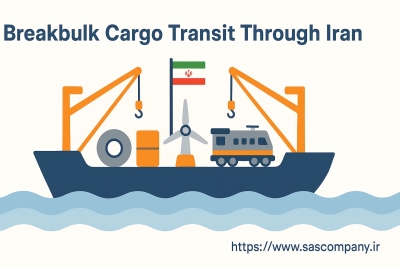
Shipping breakbulk cargo through strategic regions requires precise planning, reliable carriers, and knowledge of transit routes. Iran, positioned at the crossroads of Europe, Asia, and the Middle East, serves as a key transit hub for international shipments. Companies looking to move oversized, heavy, or non-containerized cargo often face logistical challenges such as selecting the right breakbulk vessel, coordinating with shipping lines, and ensuring smooth customs clearance.
This guide provides international shippers with a comprehensive overview of breakbulk cargo transit through Iran, highlighting top carriers, key routes, and practical tips to optimize shipping operations. Whether you are planning a one-time shipment or regular transport through Iran, understanding the local infrastructure, port facilities, and carrier options is essential to ensure timely and cost-effective delivery.
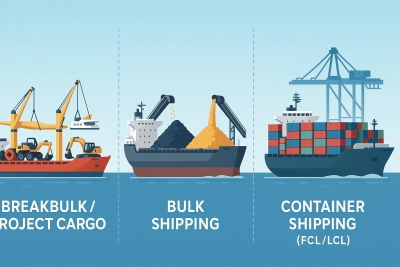
In 2025, choosing the right shipping method can save importers and exporters 15-40% in total logistics costs.
This complete guide compares Breakbulk Cargo, Bulk Shipping, and Container Shipping side-by-side — including costs, transit times, cargo types, advantages, disadvantages, and real 2025 rates.
Whether you ship steel coils, wind turbine blades, heavy machinery, grains, or consumer goods, you’ll discover exactly when breakbulk beats containers, when bulk is cheapest, and when container shipping is the only practical option.
After reading this guide, you will know:
- The exact differences between breakbulk, bulk, and container shipping
- Current 2025 freight rates and surcharges for each method
- Which method is best for project cargo, oversized items, and standard goods
- How to reduce costs and avoid common (and expensive) mistakes
Let’s start with the clearest comparison available in 2025.
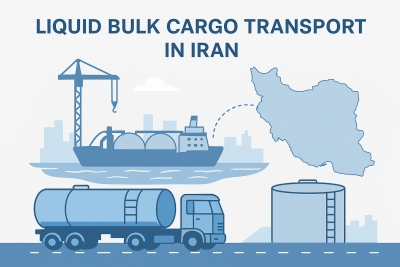
Liquid bulk cargo plays a significant role in Iran’s maritime trade, covering a wide range of products from chemicals and petrochemicals to oils and refined petroleum. Moving these materials requires specialized terminals, strict safety standards, and precise coordination across ports and logistics partners. Iran’s strategic access to the Persian Gulf, the Caspian region, and Asian markets creates strong opportunities for efficient liquid bulk transportation, but the quality of execution depends on consistent scheduling, risk control, and reliable end-to-end handling. For companies shipping liquid bulk cargo through Iran, choosing a logistics partner capable of managing these operational demands is essential.

Choosing the right shipping method is one of the most important decisions in international logistics—especially for companies leveraging Iran’s growing transit network. As a strategic link between Asia, the Middle East, and Europe, Iran offers both Full Truckload (FTL) and Less-Than-Truckload (LTL) freight options for businesses moving goods efficiently across borders.
Understanding the difference between these two shipping models helps importers, exporters, and logistics managers plan smarter routes and control costs amid unique challenges like border customs and infrastructure demands. While FTL ensures dedicated space and faster delivery, LTL provides flexibility for smaller shipments. In Iran’s freight market, where road transport plays a central role in cross-border movement, choosing between the two can directly affect both budget and delivery reliability.
In this article, we explore the key differences between FTL and LTL freight in Iran, their advantages and limitations, and how each option fits into the country’s expanding transit corridor connecting regional and global markets.
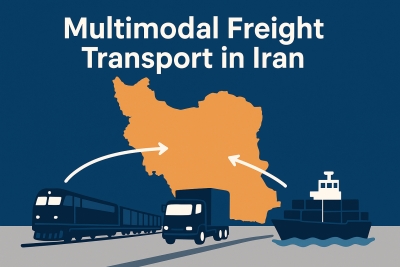
Multimodal freight transport in Iran plays a vital role at the country’s strategic crossroads, connecting the Middle East, Central Asia, and beyond. Efficient movement of goods through rail, road, and sea cargo networks allows businesses to reach both domestic and international markets with speed and flexibility. A clear understanding of the country’s freight network and cargo transit routes is essential for companies seeking reliable logistics solutions. This article examines the current state of multimodal cargo movement, highlighting key opportunities and challenges.
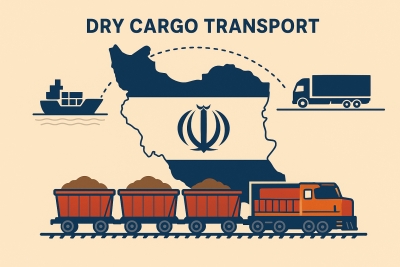
Dry cargo transport from Iran plays a pivotal role in today’s global logistics landscape. Located at the crossroads of Asia and Europe, Iran connects northern markets such as Russia and Central Asia to the southern ports of the Indian Ocean. With access to both the Persian Gulf and the Caspian Sea, the country serves as a natural bridge for the movement of dry bulk commodities such as minerals, grains, cement, and steel. This role is further strengthened by Iran’s extensive port network, developing railway infrastructure, and its participation in international transport corridors like the International North–South Transport Corridor (INSTC).
As global trade shifts toward more diversified routes that bypass congested or costly maritime channels, Iran’s multimodal transport system offers both strategic and economic advantages for shippers seeking reliable access between Asia, the Middle East, and Europe. Within this framework, companies like SASCO are enabling efficient, secure, and cost-effective dry cargo logistics—turning geographic potential into real trade opportunities.
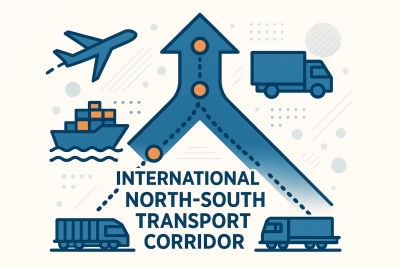
The International North–South Transport Corridor (INSTC) connects Iran with Eurasia through a multimodal network of rail, road and sea. Importantly, international freight transit along this corridor via Iran can take just 15‑24 days, compared to the usual 30‑45 days via traditional sea routes. (Arta Rail)
For exporters and importers in the Middle East, this means faster delivery, lower inventory cost and access to new markets. Recognising this, Iran and Russia have set themselves a target of achieving 10 million tons of cargo transit through the corridor per year (Mehr News Agency).
Whether you're shipping machinery, textiles or industrial parts, understanding how INSTC functions gives you a competitive edge — and partnering with an experienced logistics provider that knows how to navigate it efficiently becomes a strategic decision.
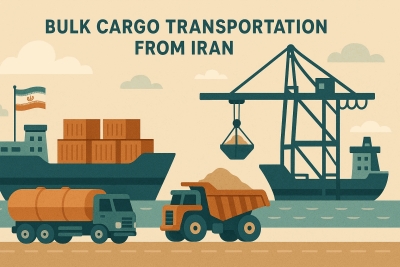
Iran has emerged as a key hub for bulk cargo transportation from Iran, linking Central Asia, the Middle East, and global markets through its strategic ports and transport corridors. With access to both the Persian Gulf and the Gulf of Oman, the country provides efficient routes for exporting bulk commodities such as minerals, petrochemicals, and agricultural products. Supported by growing infrastructure and experienced logistics partners, Iran offers competitive advantages in cost and connectivity. For international traders and freight forwarders, understanding these routes and export solutions is essential to unlocking new opportunities in regional and global supply chains.

Iran–Europe international freight is rapidly shifting from a niche regional activity into a strategically important corridor for Eurasian trade. As companies look for faster, more reliable alternatives to long sea routes, rail and multimodal links — notably the INSTC and the Middle Corridor — offer tangible gains in transit time and supply-chain resilience. For exporters and logistics managers evaluating Iran to Europe freight transport, the choice between rail freight Iran-Europe routes, road consignment, or sea carriage depends on cost, transit speed, and regulatory constraints.
This article from SASCO maps the current logistics opportunities, compares the key price drivers in Iran–Europe cargo transfer, and outlines practical steps for choosing the most suitable transport option based on cost, transit time, and risk.
Iran’s railway transport serves as a critical artery for regional trade and international freight, positioning the country as a key transit hub between Asia and Europe. The Iran rail network connects major ports and industrial centers with cross-border corridors, enabling the efficient movement of goods from Central Asia, Turkey, and the Caucasus to international markets. Rail freight in Iran is increasingly utilized for containerized cargo, bulk commodities, and industrial products, reducing dependence on road transport and lowering transit costs. With strategic investments in rail infrastructure and international rail links, Iran’s railway system is enhancing its capacity for high-volume cargo transit, supporting both domestic industries and global trade flows.
Understanding these corridors and operational efficiencies is essential for businesses seeking reliable, cost-effective, and faster freight solutions across the region.

Trade between Iran and the Gulf countries has never been just about distance — it’s about connection, opportunity, and strategy. The short stretch of water that separates Iran from the GCC nations — Bahrain, Kuwait, Oman, Qatar, Saudi Arabia, and the United Arab Emirates — has long served as a vital artery for commerce. Today, efficient shipping from Iran to Gulf Countries plays a central role in sustaining this flow, linking manufacturers, exporters, and traders across the region.
Whether it’s freight from Iran to UAE, Iranian exports to Oman and Saudi Arabia, or complete door-to-door shipping services to the Gulf region, the logistics landscape is evolving fast — shaped by modern ports, optimized trade routes, and stronger economic ties. This article explores how freight and export logistics between Iran and the GCC are managed, what makes these maritime routes crucial, and what factors determine cost, speed, and reliability.
For international logistics companies, importers, and exporters, efficient air transport to and via Iran is critical for maintaining smooth global supply chains. Air cargo to Iran offers a reliable and fast solution for moving commercial goods, while also serving as a strategic transit hub for shipments passing through the country. Leveraging air freight to Iran ensures compliance with international regulations, optimized transit times, and secure handling of sensitive or high-value cargo. This guide provides a comprehensive overview of services, best practices, and key considerations for companies looking to streamline air shipments to, from, or via Iran.
Road transport via Iran offers a strategic solution for businesses seeking efficient and cost-effective logistics between Asia and Europe. Leveraging Iran’s unique geographical position, companies can benefit from road transit through Iran to shorten delivery times and optimize logistics costs.
Understanding transport in Iran requires familiarity with land transportation services, which cover everything from regulatory compliance to logistical support. Additionally, factors such as land shipping through Iran price and finding the cheapest land shipping through Iran play a decisive role in planning cost-effective operations.
With reliable shipping companies in Iran, road transportation in Iran is becoming a practical choice for fast and cost-effective logistics.

Sea shipping through Iran has become increasingly important for global trade, offering a strategic route that connects Asia, Europe, and the Middle East. Its geographic location allows faster transit times and more flexible logistics options compared to longer traditional routes. Businesses looking to optimize costs and delivery schedules are now exploring Iran’s ports as an efficient gateway for maritime transport. While choosing the right marine company remains essential to ensure smooth operations, understanding the advantages of the route itself—such as access to key ports, streamlined customs procedures, and seasonal considerations—can make a significant difference. This guide explores both the opportunities presented by sea shipping through Iran and practical tips for selecting a reliable marine partner when needed.

In today’s global trade, the smooth movement of goods across borders depends on specialized logistics providers. One of the key players in this chain is the NVOCC (Non-Vessel Operating Common Carrier). While NVOCCs don’t own ships, they play a crucial role in international shipping by consolidating cargo, issuing their own bills of lading, and ensuring reliable transportation solutions for businesses of all sizes. For companies in Iran that are looking to expand their reach to international markets, choosing the right NVOCC partner can make the difference between delayed shipments and seamless trade. In this article, we’ll explain what an NVOCC is, why it matters in global logistics, and highlight the best NVOCC in Iran.
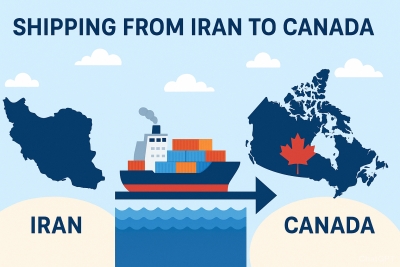
Spanning over 12,000 kilometers, shipping from Iran to Canada involves navigating a maze of international regulations, customs requirements, and logistical hurdles. From sanctions impacting trade to the intricacies of Canadian import policies, businesses and individuals must address multiple factors to ensure timely and compliant deliveries. This article explores the essential aspects of shipping from Iran to Canada, including transportation options like air and sea freight, key documentation needs, and practical strategies to minimize costs and avoid delays.

Shipping from Iran to Russia is no longer just a logistical option—it has become a strategic necessity for many traders seeking reliable access to the Russian market. Trade between Iran and Russia has expanded significantly in recent years, creating new opportunities for companies that need dependable transport routes between the two countries. Unlike generic shipping corridors, the Iran–Russia route is shaped by unique geographical, political, and economic factors: the Caspian Sea as a maritime gateway, rail links connecting Iran’s northern border to Russian networks, and road transport corridors that cut transit times for regional trade.
For exporters in Iran and foreign businesses using Iran as a logistics bridge, selecting the right mode of transport and Iran Russia shipping company are critical steps for success.
This article provides a practical overview of how to ship from Iran to Russia, the available shipping methods, and the key advantages of using Iran as a strategic route to access the Russian market.
Cargo Insurance in Iran plays a vital role in international trade by safeguarding goods during import, export, and transit operations. Whether shipments move by sea, air, road, or rail, businesses face risks such as theft, accidents, fire, or natural disasters. Without proper coverage, even a minor incident can cause significant financial loss.
For foreign companies trading with Iran, cargo insurance is not just an additional expense—it is a strategic protection that ensures smooth delivery and compliance with shipping regulations. From exporters sending products abroad to importers bringing goods into the country, and logistics firms using Iran as a transit corridor, cargo insurance provides peace of mind and financial security.
In this guide from SASCO, we explore the types of cargo insurance available in Iran, coverage options, policy terms, and benefits for international traders, helping you make informed decisions for safer and more reliable trade.
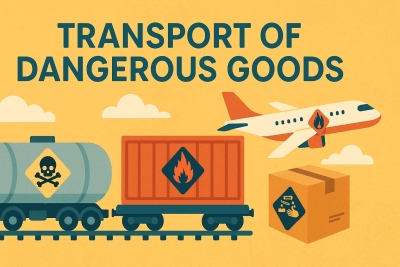
Transport of dangerous goods through Iran, especially along international transit routes, is a critical aspect of regional and global trade and logistics. Given Iran's strategic position in transport corridors connecting Central Asia, the Persian Gulf, and the Caspian Sea, the country serves as an important link for the movement of hazardous materials between Europe, China, India, and the CIS countries.
The transport of dangerous goods in Iran is subject to specific national and international laws and regulations. In this article, we will examine these regulations and requirements, the challenges involved, and the available solutions, providing a comprehensive overview of the current situation and future needs in this field.
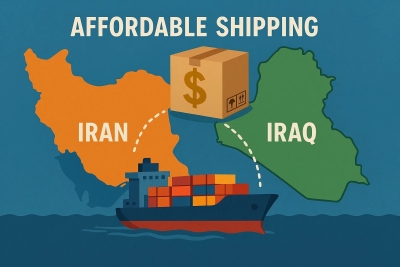
Shipping from Iran to Iraq, particularly to the Kurdistan region, plays a vital role in fostering economic ties and facilitating trade between these neighboring regions. With a shared border and deep historical and cultural connections, the movement of goods across this route supports businesses, enhances regional cooperation, and meets the growing demands of diverse markets. This article explores the key aspects of shipping between Iran and Iraqi Kurdistan, including logistical challenges, trade regulations, and opportunities for growth in this dynamic corridor.

Disruptions in the global cold chain logistics system, driven by inadequate infrastructure and complex trade route challenges, result in billions of dollars in annual losses for perishable goods and pharmaceuticals. These issues are especially acute in the Middle East and Eastern regions, amplifying the need for reliable cold chain transportation solutions. For secure and efficient transport of goods across these regions and beyond, partnering with a trusted cold chain transportation company that guarantees cargo integrity, security, and optimized routes is essential. Iran, positioned at the crossroads of global trade, offers a strategic and cost-effective hub for refrigerated cargo transportation. Leading Iranian logistics companies utilize state-of-the-art refrigerated shipping solutions to ensure the quality of temperature-sensitive products, such as fruit exports and pharma cold storage. This article examines the essentials of cold chain transportation and offers guidance on how to select a dependable cold chain freight forwarder for seamless refrigerated shipping.
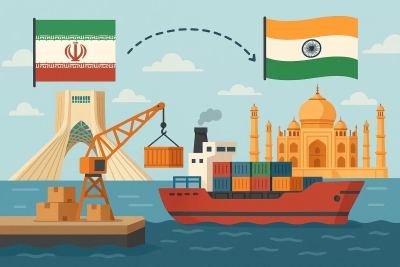
Shipping from Iran to India has become one of the most important channels in regional trade, linking two fast-growing markets with deep historical and cultural ties. Beyond the traditional exchange of goods, this route now serves as a strategic corridor that connects Middle Eastern suppliers to South Asian consumers. Ports such as Chabahar in Iran and Mumbai in India play a central role, supported by initiatives like the International North-South Transport Corridor (INSTC). At the same time, businesses face practical challenges such as infrastructure gaps, customs procedures, and the impact of international sanctions. Understanding the key routes of shipping from Iran to India, current obstacles, and emerging opportunities is essential for companies seeking to optimize logistics and expand trade between Iran and India.
The Middle East has always been a strategic hub for international trade, connecting major markets across Asia, Europe, and Africa. Businesses seeking reliable logistics partners are increasingly focusing on service quality, cost efficiency, and regional expertise. Choosing the best international freight forwarder in the Middle East can make the difference between smooth supply chain operations and costly delays. With advanced infrastructure, expanding trade routes, and competitive providers, the region continues to attract companies searching for strong shipping and logistics solutions.
In the world of global trade, the success of a business often depends heavily on the best international freight forwarder it chooses. A reliable logistics partner can streamline the movement of goods from origin to destination, optimize costs, and prevent delays or customs issues. Conversely, selecting the wrong international freight forwarder can result in late deliveries, unexpected expenses, and even damage to shipments.
For businesses looking to expand their import and export operations, understanding the criteria for choosing the best international freight forwarder is not only essential but can also make the difference between a profitable operation and a costly experience. This article provides a practical, step-by-step guide to identifying and selecting the ideal logistics partner, helping you make decisions faster, more confidently, and with less risk.

The Port of Shenzhen has transformed in just a few decades from a small coastal settlement into one of the world’s leading hubs for international trade. Its remarkable rise showcases the power of strategic planning, modern infrastructure, and a vision that connects local growth to global commerce.
By studying the Shenzhen model, ports around the world—including Iran’s strategic ports such as Chabahar port—can explore opportunities to improve logistics, attract global investment, and strengthen connections to international trade networks. Shenzhen’s experience illustrates how visionary planning and modern infrastructure can transform a regional port into a major player on the global stage, offering lessons that are relevant for emerging ports seeking to expand their influence and commercial impact.
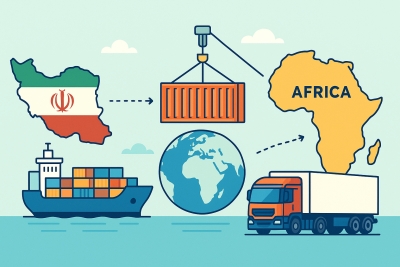
Choosing the right freight forwarder for shipping from Iran to African countries is a crucial step for businesses looking to expand trade between these regions. With growing demand for Iranian products in African markets, reliable logistics solutions ensure smooth transportation, timely delivery, and cost efficiency. A professional freight forwarder not only manages customs clearance and documentation but also provides the best routes for air, sea, and land transport. Whether you are exporting industrial goods, food products, or machinery, working with an experienced freight forwarder helps reduce risks and streamline your supply chain.

Choosing the right ocean freight method can make or break your logistics strategy. The difference between FCL and LCL comes down to how you utilize container space. Full Container Load (FCL) offers an entire container for your cargo, ideal for large shipments needing speed and exclusivity. On the other hand, Less Than Full Container Load (LCL) allows multiple shippers to share a container, perfect for smaller loads where cost-efficiency is key. This article explores FCL vs LCL shipping to help you decide which method best fits your business needs.
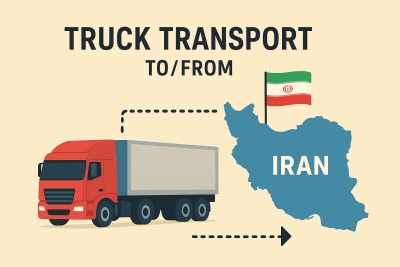
Truck Transport To/From Iran plays a central role in regional and international trade, connecting the Middle East to Europe, Central Asia, and beyond. With its strategic geographic position, Iran serves as a vital transit hub for goods moving across the North–South and East–West corridors. Overland trucking remains one of the most reliable and flexible methods of moving cargo to and from Iran, offering cost-effective solutions, faster delivery times compared to sea freight, and direct access to landlocked countries. In this article, we will explore the main routes, customs requirements, advantages, challenges, and future outlook of truck transport in and out of Iran, helping businesses understand how to leverage this essential mode of logistics.
When it comes to shipping to Iran, even experienced exporters can fall into costly traps that delay deliveries, increase expenses, or create compliance headaches. Whether you’re sending commercial goods, personal shipments, or specialized cargo, understanding Iran’s unique shipping regulations, customs procedures, and logistical challenges is crucial. Many businesses overlook small but critical details—resulting in delays, extra fees, or even returned shipments. In this article, we’ll highlight the 5 most common mistakes companies make when shipping to Iran and show you how to avoid them, so your deliveries arrive on time, within budget, and fully compliant.
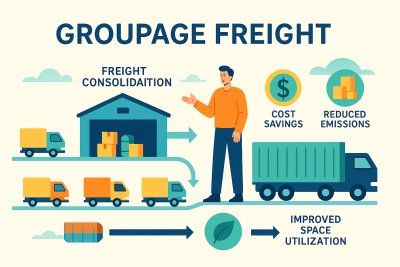
Groupage freight is an efficient shipping method that allows multiple small shipments from different customers to be consolidated into a single container or truckload. This approach not only optimizes space but also significantly reduces shipping costs for businesses that don’t have enough cargo to fill an entire shipment on their own. Understanding what groupage freight is and how it works can help companies streamline their logistics and save money on transportation.
In today’s competitive market, reducing freight expenses isn’t just smart—it’s necessary. With transportation making up a major share of supply chain costs, cutting freight costs has become a strategic priority for companies looking to boost profitability and stay ahead.
This in-depth guide explores proven ways to lower logistics expenses without compromising on service quality. From practical cost-saving strategies to real-world examples and tools like a freight cost calculator, you’ll find everything you need to streamline operations and improve your bottom line in 2025.
Whether you're a small exporter or a global supply chain manager, this guide will help you turn logistics from a cost center into a competitive advantage.
Choosing the right freight forwarder in Iran is a critical step for any business looking to move goods efficiently through the Middle East and beyond. With Iran’s strategic location, an experienced freight forwarder can streamline logistics, manage customs clearance, and ensure timely delivery across borders. In this article, we’ll guide you through the key factors to consider and help you identify the best freight forwarder in Iran based on reliability, service range, and international expertise.
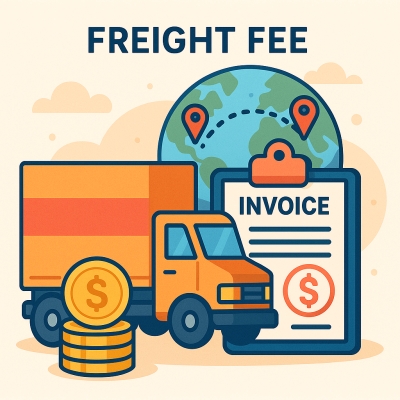
When shipping goods—whether across cities or continents—freight fees play a crucial role in determining the total cost. Yet, many businesses and individuals struggle to fully understand what is freight fee and what this fee includes, how it's calculated, and how it differs from other shipping costs. This guide breaks down the concept of freight fees, explores their importance in logistics and supply chains, and explains the different types of charges you might encounter. Whether you're a business owner, logistics manager, or simply curious about global shipping, this article will help you navigate freight costs with confidence.

The Middle East has long been a pivotal hub for global trade, connecting Asia, Europe, and Africa through its strategic maritime routes. Among the key players in this dynamic region is the Middle East shipping company, SASCO, a prominent name in the shipping and logistics industry. This article introduces SASCO, highlighting its role in facilitating seamless trade across the Middle East and beyond, with a particular focus on its operations and contributions to regional commerce.
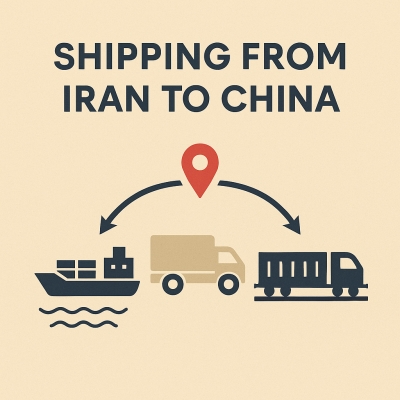
Trade between Iran and China has expanded significantly in recent years, driven by growing economic ties and strategic partnerships. As a result, shipping from Iran to China has become an essential part of this bilateral relationship, involving a mix of logistical planning, regulatory compliance, and transportation choices.Whether you're an exporter seeking new markets or a logistics provider navigating cross-border challenges, choosing the right freight forwarder for shipping from Iran to China is key to ensuring smooth, cost-effective, and reliable delivery.

Imagine a land where ancient trade routes converge with modern logistics, connecting East to West in a seamless flow of commerce. Cargo transit via Iran unlocks this unique gateway, leveraging the country’s strategic position to link Asia, Europe, the CIS countries, and beyond through vibrant ports and sprawling rail networks. SASCO expertly navigates this dynamic hub to deliver your cargo with precision. Discover how Iran redefines global trade in this article.

Iran’s northern coastline along the Caspian Sea hosts a series of strategic ports that serve as vital hubs for trade, logistics, and maritime activities. These northern ports in Iran connect the country to key markets in Russia, Azerbaijan, Kazakhstan, Turkmenistan, and beyond, facilitating exports, imports, and transshipment. Together with the Southern Ports of Iran on the Persian Gulf, these gateways form an integrated maritime network crucial for Iran’s domestic and international trade. Below, we explore each port’s unique features, geographical advantages, and trade routes, highlighting their roles in global commerce and regional connectivity.
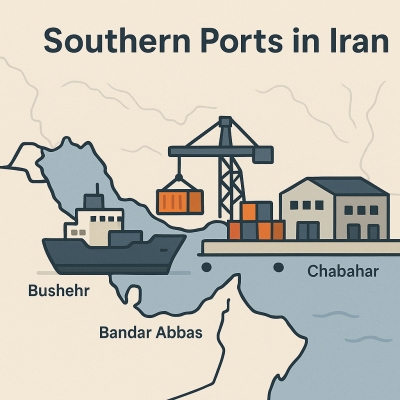
Iran’s strategic position at the crossroads of Asia, Europe, and the Middle East makes its southern ports vital hubs for international trade and transport. From the bustling docks along the Persian Gulf to the deep-sea terminals on the Gulf of Oman, these ports drive the seamless movement of goods across global markets. This article focuses on key southern ports in Iran, highlighting their unique features and critical role in cargo transport, and showcasing how they connect Iran to the world through efficient logistics and maritime networks.
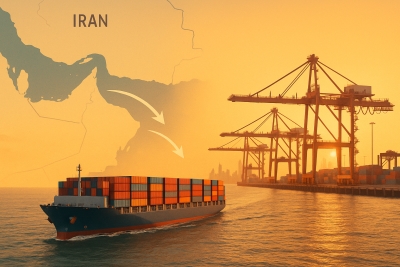
Cargo transportation from Iran to UAE forms a critical lifeline in the Middle East’s bustling trade network, pulsing with goods traversing sea, land, and air. This dynamic corridor, shaped by geographic proximity and economic ambition, is more than a logistical pathway—it's a testament to the ingenuity of modern supply chains. From the azure waters of the Persian Gulf to the winding roads of border crossings and the swift skies above, each mode of transport offers unique advantages and challenges. This article explores the intricacies of this vital trade route, unveiling the mechanisms that keep commerce flowing seamlessly.
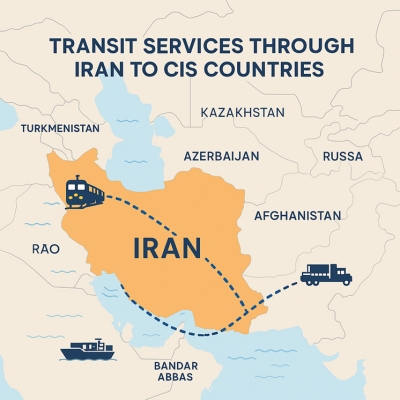
Transit services through Iran to CIS countries play a pivotal role in shaping regional trade dynamics by providing efficient and cost-effective routes that connect landlocked CIS nations to global markets. Leveraging Iran’s strategic location at the crossroads of Asia, Europe, and the Middle East, these transit services enhance connectivity, reduce transit times, and open new opportunities for economic collaboration. This article explores how Iran’s infrastructure and geographic advantages contribute to strengthening trade ties with CIS countries, while addressing the challenges that influence this vital transit corridor.
The freight forwarding in Iran plays a pivotal role in facilitating the seamless movement of goods within the country and across international borders. Strategically located at the crossroads of major trade routes, Iran serves as a vital link in global supply chains, connecting Asia, Europe, and the Middle East. Freight forwarders in Iran act as essential intermediaries, orchestrating complex logistics processes to ensure efficient, cost-effective, and timely delivery of goods.
This article provides a comprehensive overview of the freight forwarding sector in Iran, exploring its structure, services, key players, and the opportunities and challenges that define its landscape. By examining the dynamics of this industry, we aim to highlight its significance to Iran’s economy and its potential for growth in an increasingly interconnected global market.
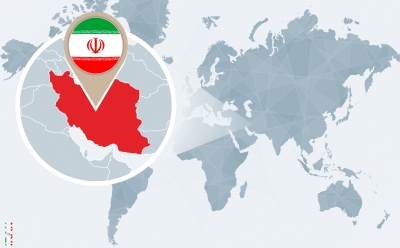
Beneath the surface of global trade routes lies a nation whose geography tells a story of vast potential and strategic relevance: Iran. Straddling the crossroads of Central Asia, the Middle East, and the Persian Gulf, Iran is more than a country — it is a corridor. Its ports handle the ambitions of exporters in China, its highways serve the trucks that bridge East and West, and its rail lines hint at future transit hubs still in the making. For businesses seeking efficient and well-positioned trade routes, transport and shipment to/from Iran offers a blend of opportunity, connectivity, and regional access. This article explores how goods move across Iran’s borders and what that movement reveals about the country’s growing role in global logistics and commerce.
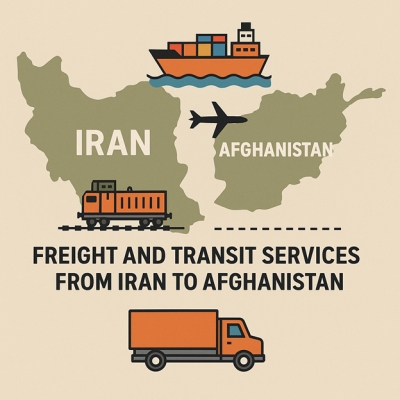
Rooted in the legacy of ancient trade routes, freight and transit services from Iran to Afghanistan continue to play a vital role in connecting regional markets, facilitating the smooth flow of goods between these neighboring countries. This vital corridor fuels economies, connecting bustling Iranian ports to Afghanistan’s rugged markets with unparalleled efficiency. From the strategic hub of Bandar Abbas to the bustling border city of Herat, Iran to Afghanistan shipping pulses with opportunity, carrying everything from industrial goods to essential supplies. Yet, this journey is more than logistics—it’s a bridge between nations, navigating complex customs and rugged terrains to deliver progress.
Whether you’re a business owner eyeing Herat freight transport, a trader from the United Arab Emirates, India or Iraq looking to move goods through Iran, or a newcomer to cross-border trade, this guide unveils the essentials of moving goods seamlessly, securely, and sustainably across this historic route. Step into the world of regional trade, where every shipment tells a story of connection and ambition.