

What is Dry Cargo?
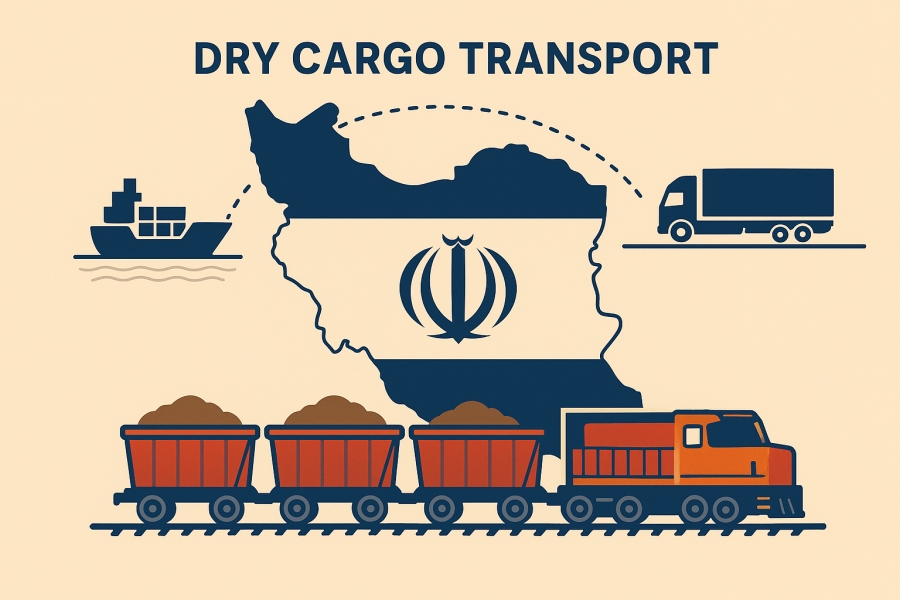
Dry cargo, also known as dry bulk cargo in the context of maritime shipping, refers to solid commodities that are not liquid and are typically transported in large quantities in loose, unpackaged form. These goods are essential for global manufacturing and production processes, including raw materials like coal, metals, grains, ores, and minerals that are shipped without special packaging to facilitate efficient loading and unloading. Unlike wet cargo (such as oil or chemicals), dry cargo is handled using specialized vessels like bulk carriers, which are designed to carry these materials in holds without the need for containers or tanks. This type of cargo plays a critical role in international trade, supporting industries from energy to agriculture.
Types of Dry Cargo
In international dry bulk shipping, the main cargoes are divided into three major categories based on their volume and industrial application:
- Major Bulks: These are the largest volume dry cargoes and include iron ore, coal, and grain. They account for a significant portion of global dry bulk trade due to their high demand in steel production, energy generation, and food supply.
- Minor Bulks: This category encompasses a wider variety of smaller-volume commodities, such as bauxite (used in aluminum production), phosphates and fertilizers (for agriculture), sand and gravel (for construction), scrap metal, and other materials like cement or forest products.
- Other Dry Cargoes: This may include specialized or niche items like ores (beyond iron), minerals, and sometimes general cargo that is dry but packaged, though these are often distinguished from pure bulk shipments.
Each of these is carried by ships of different sizes—from massive Capesize vessels to compact Handysize ones—depending on port access and route efficiency.
Global Dry Bulk Trade Volume Statistics
The global dry bulk trade is a cornerstone of seaborne commerce, with volumes reflecting economic activity in key sectors like mining, energy, and agriculture. In the first half of 2025 alone, global dry bulk loading volumes reached 2.759 billion metric tonnes, indicating a steady but moderated pace. Additionally, Q3 2025 saw record discharges of 1.47 billion metric tons, a 4.4% rise from the previous year, highlighting resilience in certain trade routes.
Learn more: How to Manage Transport and Shipment to/from Iran in 2025
Corridors and Ports Facilitating Dry Cargo Transport via Iran
Iran plays a pivotal role in global trade due to its strategic location bridging the Persian Gulf, Caspian Sea, and land routes to Central Asia, Europe, and beyond. For dry cargo the country's ports and corridors enable efficient multimodal transport via sea, rail, and road. Below, we outline the primary ports handling dry cargo and the major international corridors that facilitate its movement through Iran.
Iran Key Ports for Dry Cargo
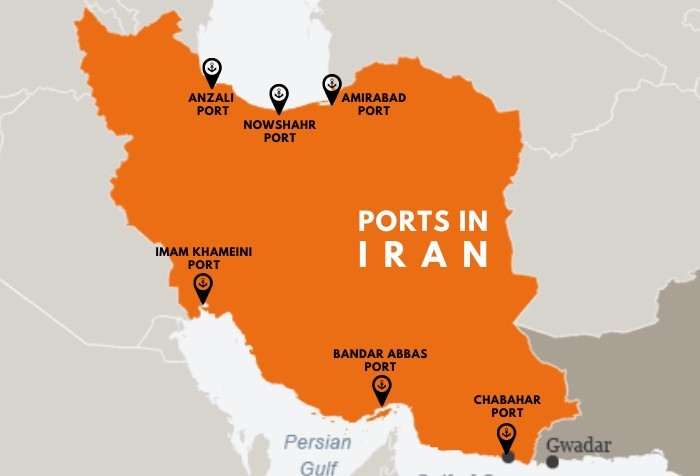
Iran's commercial northern ports and southern ports are equipped to handle significant volumes of dry bulk cargo, with many integrated into national rail and road networks for seamless transit. The following are among the most important for dry cargo operations.
Shahid Rajaee Port (Bandar Abbas)
As Iran’s largest and busiest terminal on the Strait of Hormuz, Shahid Rajaee processes around 37 million tonnes of cargo each year. It manages chrome ore, marble blocks, fertilizers, and other dry cargo via specialized berths for bulk ore vessels up to 100,000 DWT. The port links maritime trade from the Indian Ocean to inland destinations, forming a central hub for dry cargo transport from Iran toward Central Asia and Europe (marineinsight).
Imam Khomeini Port
Located in southwestern Iran near the Khormusa waterway, this port handles about 16.5 million tonnes of commodities annually, including minerals, wheat, corn, and other dry bulk materials. With strong rail and road links, it connects to Iraq, Turkey, and the Caucasus, serving as a key export point for agricultural and petrochemical goods (marineinsight).
Amirabad Port
Situated on the southern Caspian coast, Amirabad Port supports up to 5 million tonnes of dry cargo per year, with a focus on grains, cement, and industrial inputs. Rail integration allows efficient transit to Central Asian markets through the dry bulk shipping network(marineinsight).
Chabahar Port
Iran’s only oceanic port on the Gulf of Oman, Chabahar manages roughly 1.4 million tonnes annually, including bulk minerals, fertilizers, and bagged grains. Designed for expansion to 86 million tonnes, it provides direct access to South Asian markets and acts as a crucial outlet for dry cargo transport from Iran to India and Afghanistan.
Bandar Anzali and Nowshahr Ports
Located on the southern Caspian coast, these ports collectively handle over 5 million tonnes yearly. They specialize in dry cargo such as minerals, timber, and agricultural goods, facilitating trade with Russia, Kazakhstan, and neighboring Caspian states.
Strategic Corridors for Dry Cargo Transport via Iran
Iran’s internal transport network is central to dry cargo transport from Iran, linking major ports to industrial and commercial hubs. Efficient domestic corridors move grains, minerals, ores, and other dry bulk cargo across the country.
North–South Corridor
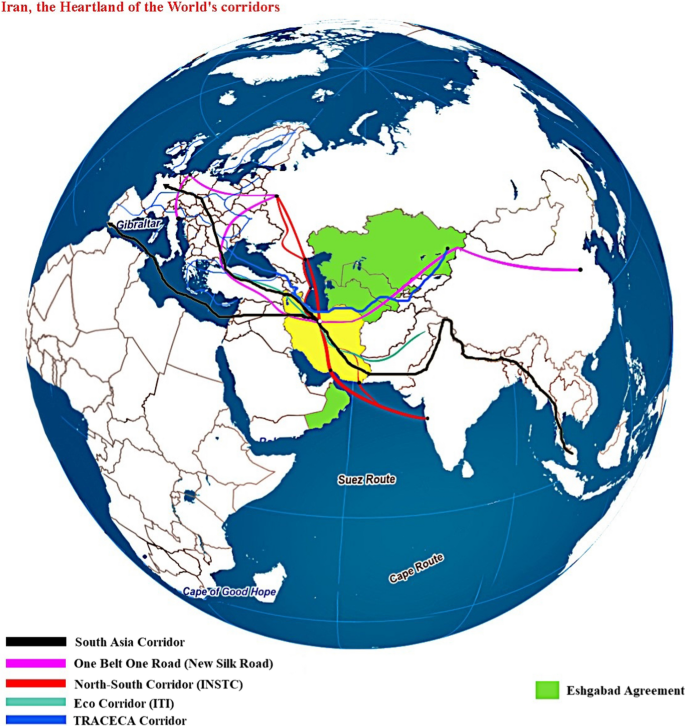
Connecting southern ports like Shahid Rajaee (Bandar Abbas) and Imam Khomeini to northern Caspian ports such as Bandar Anzali, Amirabad, and Nowshahr, the North–South Corridor corridor enables smooth transport of bulk commodities via rail and road, supporting both domestic distribution and international dry bulk shipping.
East–West Corridor
Linking eastern border points (Sarakhs, Dogharoon, Bajgiran) to western regions and Persian Gulf ports, this route facilitates movement of minerals, agricultural products, and packaged dry cargo toward export terminals.
Chabahar Strategic Corridor
Providing access to the Indian Ocean, the Chabahar corridor handles grains, fertilizers, and minerals, connecting southeastern Iran to inland provinces and neighboring countries.
Inland Rail and Highway Network
Complementing the main corridors, Iran’s rail and road networks distribute dry cargo efficiently from production hubs to ports, enabling multimodal operations with dry bulk carriers
Advantages of Dry Cargo Transport from Iran
Iran's strategic position makes it an attractive option for dry cargo transit, particularly through corridors like the International North-South Transport Corridor (INSTC). Below are the key advantages of utilizing Iran for dry cargo transit.
Strategic Geographic Location
Iran serves as a natural bridge connecting the Persian Gulf and Indian Ocean to the Caspian Sea, Central Asia, the Caucasus, and Europe. This positioning allows for seamless transit of dry cargo from South Asia (e.g., India) to Northern Europe and CIS countries, avoiding geopolitical chokepoints and enabling access to landlocked regions.
Cost-Effectiveness
Transit via Iran is often more affordable than alternative routes, with reductions in transportation costs by up to 30% due to shorter distances and lower logistics expenses. Additionally, Iran's special economic zones offer incentives like reduced tariffs and streamlined customs, further lowering expenses for bulk commodities.
Reduced Transit Times
One of the primary benefits of dry cargo transport from Iran is faster delivery, with routes through Iran shortening transit times by 40% or more for dry cargo from India to Europe—typically reducing journeys from 45-60 days via Suez to 20-30 days via INSTC (ptbnet & artarail & grc.net)
Multimodal Connectivity and Infrastructure
Iran's well-developed infrastructure supports efficient handling of dry cargo, with major ports like Shahid Rajaee (Bandar Abbas) and Imam Khomeini equipped for large-scale bulk operations and linked to extensive rail (over 2,000 km in key corridors) and road systems.
Learn more: Overview of Freight Forwarding in Iran
Challenges in Dry Cargo Transport from Iran
Despite its strategic advantages, dry cargo transport from Iran faces several significant challenges. International sanctions limit access to some global financial and insurance services, complicating transactions and risk management for shippers. Aging fleets and outdated equipment increase operational costs and reduce efficiency, while gaps in certain logistical and regulatory frameworks can cause delays. Together, these factors pose hurdles for companies relying on dry cargo transport from Iran, requiring careful planning and coordination to ensure smooth and timely delivery of bulk commodities across regional and international routes.
SASCO’s Role in Facilitating Dry Cargo Transport
SASCO stands out as a reliable transit and shipping partner for companies involved in dry cargo logistics. The company provides comprehensive solutions for dry bulk cargo, including road, rail, and port services, as well as specialized handling of dry shipping containers and pneumatic dry bulk carriers.
By leveraging modern infrastructure and efficient operational systems, SASCO manages complex dry bulk loads and coordinates multimodal shipments, ensuring timely delivery across regional and international corridors. Its expertise extends to services such as dry cargo barges, dry bulk and liquid tank services, and secure management of dry storage shipping containers, positioning SASCO among the top dry bulk shipping companies in the region.
With a track record of successful operations, SASCO demonstrates the capability to handle large-scale shipments and support a wide range of industries requiring reliable dry cargo box and dry bulk carrier solutions.
FAQ – Dry Cargo Transport from Iran
Q1: How long does it take to transport dry cargo from Iran to Europe via INSTC?
A1: Using INSTC, dry cargo transit from southern Iranian ports to Northern Europe typically takes 20–30 days, compared to 45–60 days via the Suez Canal.
Q2: How much does dry cargo transport from Iran cost?
A2: Transport costs vary by cargo type and volume, but using strategic corridors and multimodal solutions like INSTC can reduce shipping expenses by up to 30%.
Q3: Which ports in Iran are best for exporting dry bulk commodities?
A3: Shahid Rajaee (Bandar Abbas), Imam Khomeini, Amirabad, Chabahar, Bandar Anzali, and Nowshahr are the main ports handling dry cargo, with good rail and road connections for seamless transport.
Q4: What types of dry cargo can be shipped from Iran?
A4: Common commodities include minerals, grains, cement, steel, fertilizers, and ores, typically transported in bulk using specialized carriers.
Q5: What is the safest and fastest way to ship dry cargo from Iran?
A5: Combining rail, road, and port operations (multimodal transport) through strategic corridors like INSTC offers the fastest and most secure option for bulk shipments.